Case study · CommPAL
Engineering a palliative-care decision-support platform
Building the application, healthcare data pipelines and ML integration behind a research-led palliative-care product.
- Role
- Founding Engineer / Technical Lead
- Dates
- June 2022 to May 2026
- Delivery
- Platform handover and Australian partner-data pilot
Context
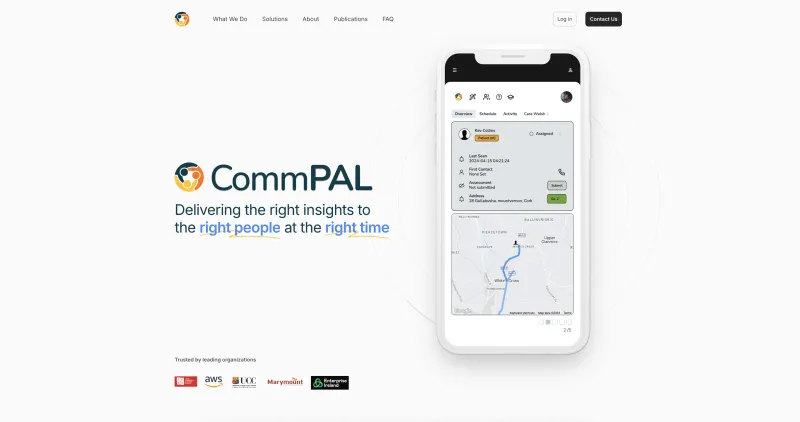
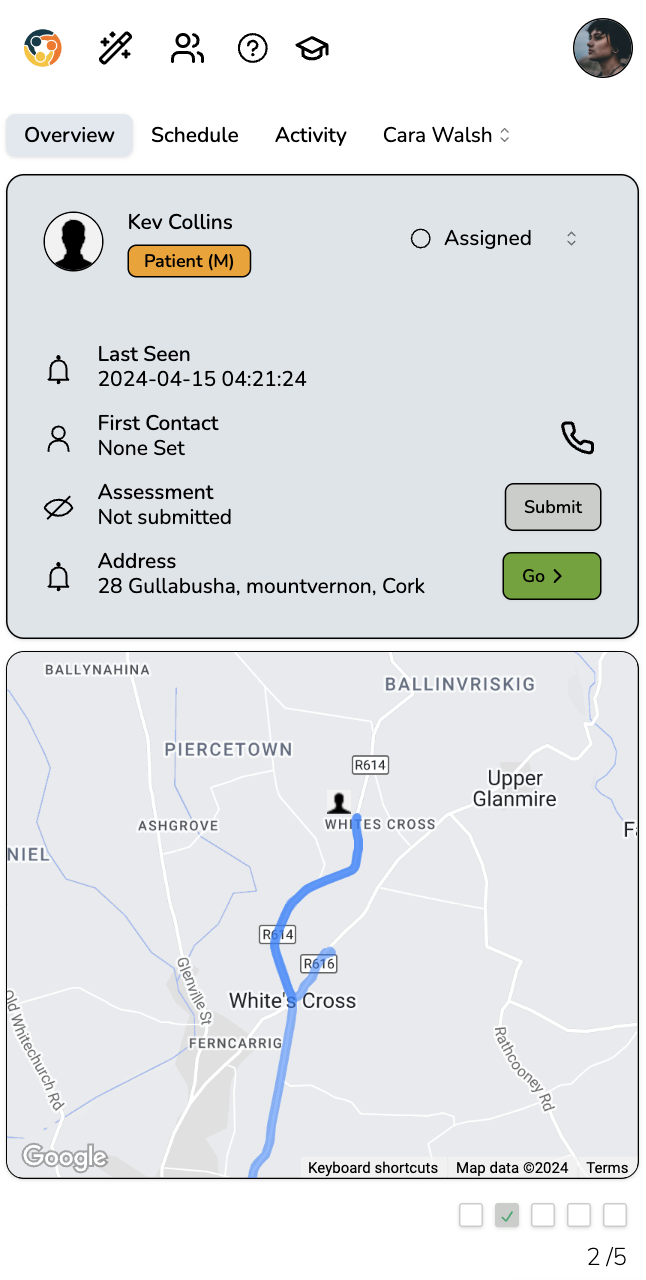
CommPAL is a research-led digital health product for community palliative care. Its scope includes care coordination, patient tracking and AI-assisted triage. The engineering task was to bring those capabilities into a platform that connected clinical workflows with the data processing and model integration behind the application.
The product grew from work involving researchers and healthcare stakeholders. The platform needed a coherent application architecture, healthcare data pipelines and technical documentation to support its ongoing development and handover.
My role
As founding engineer and technical lead, I owned the architecture and implementation of the technical platform. My work covered frontend and backend development, product design, cloud delivery, data pipelines and ML integration. I worked with clinicians, researchers and governance leads to connect the product requirements to engineering decisions.
My contribution was the engineering of the platform and the integration of the model into the product. The clinical research and model evaluation belonged to the wider team. I also contributed medical-device technical documentation, supported penetration-test oversight and worked on product handover.
Constraints and requirements
The platform needed to bring patient tracking and AI-assisted triage into the same clinical workflow. Application behaviour, healthcare data handling, model integration and privacy all had to work together.
Architecture and data-flow decisions also had to support the lifecycle and documentation expectations of software-as-a-medical-device work. The application, data platform and technical record needed to stay aligned through development and handover.
What I built
I designed the microservices and multi-region data platform and integrated the ML model into the application. The work included serverless architecture on AWS, infrastructure defined with CloudFormation, ETL pipelines and a data lake with layered data processing. Healthcare integration work included HL7 FHIR through HAPI. Automated hospital ETL used SFTP, S3, Step Functions, Glue and Athena, with agreed data-quality standards, validation and retries. Batching and queuing supported throughput.
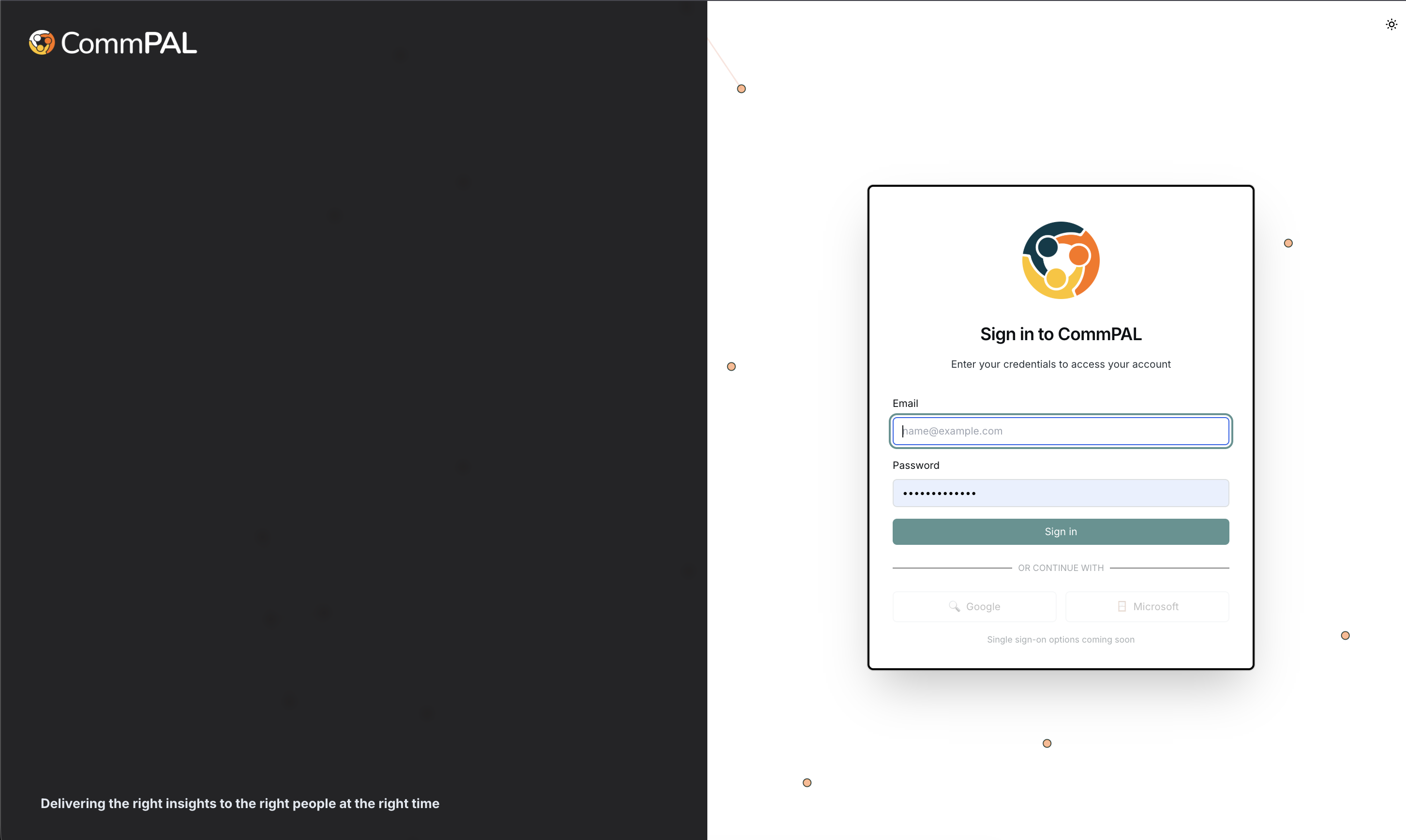
Alongside the data engineering, I delivered frontend and backend functionality for the platform, including patient tracking and AI-assisted triage. I connected architecture, data handling and compliance decisions within the product roadmap, alongside the technical documentation, security-testing oversight and handover support described above.
Scope
- Serverless Architecture
- Cloudformation
- Full-stack
- AI workflows
- FHIR/HL7 integration
- Cloud delivery
- QMS integration
- GDPR compliance
- Medallion Layering
- Data Lake
- ETL Pipelines
Decisions and implementation
For the Australian partner-data pilot, I used CloudFormation and CodeBuild to provision temporary model-processing compute in Australia. Partner data was processed in-region and the environment was torn down after each run. Several processing iterations were completed under a pilot agreement.
I evaluated optimisation alternatives on cost, licensing and speed, then integrated Google OR-Tools with the in-house triage models to generate daily nurse caseloads and routes.
Result
The engineering work delivered a platform foundation, healthcare data pipelines and ML integration, together with technical documentation and handover support. The work continued through rdelune with infrastructure, documentation and platform handover consultancy for Karenua Ltd, the CommPAL spin-out in 2026. The associated triage research was published in the Journal of Decision Systems in 2024, with me as a co-author. That paper provides evidence of the research programme; it does not establish the deployment stage of the application described here.
- Established a multi-region platform foundation for healthcare operations
- Built an AI-assisted triage and patient-tracking pipeline
- Connected architecture, data handling, and compliance decisions within the product roadmap
Evidence
- CommPAL project website ↗
Public project and team information.
- Enhancing palliative care triage: decision support system for patient prioritisation ↗
Co-authored paper, Journal of Decision Systems, 2024. Research evidence, rather than confirmation of clinical deployment.